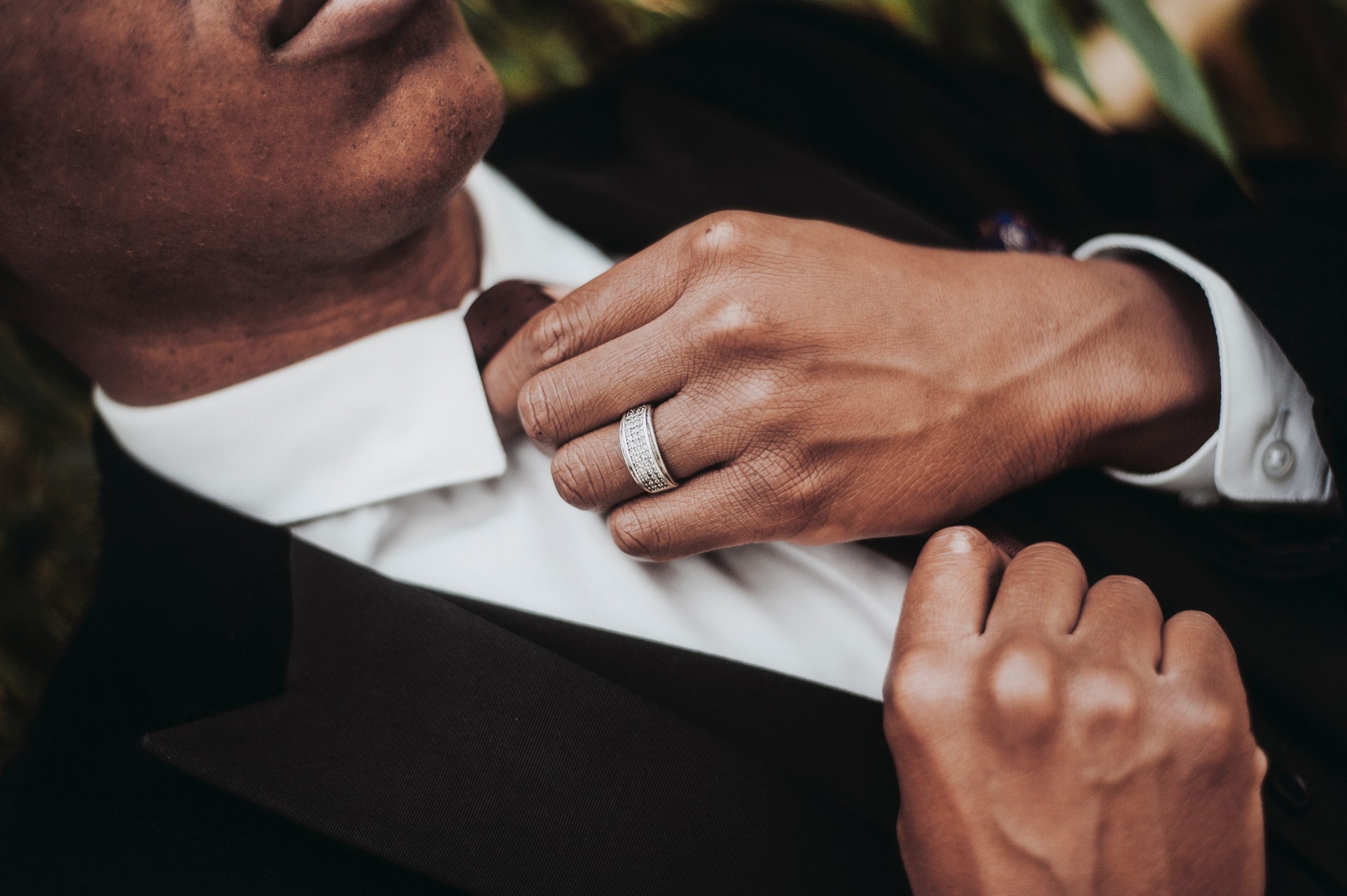
What you say in an interview matters, but so does how you appear while saying it. Your posture, facial expressions and gestures can affect the impression you make. An older CareerBuilder France survey, published in February 2015, highlighted seven common mistakes noticed by recruiters. The figures below reflect that survey rather than current recruitment statistics.
1. Avoiding eye contact: 50%
Looking away constantly can be interpreted as nervousness or lack of confidence. You do not need to stare at the interviewer, but try to make natural eye contact when speaking and listening. With a panel, acknowledge each person rather than focusing on only one.
2. Slouching in your chair: 47%
An overly relaxed posture may suggest that you are not engaged. Sit comfortably with your back supported, shoulders relaxed and feet steady. There is no need to appear rigid; aim for attentive rather than stiff.
3. Not smiling: 42%
A genuine smile helps create a positive first impression. It shows warmth and can make the conversation feel more natural. You do not need to smile throughout serious questions, but allow your expression to respond to the discussion.
4. Offering an overly weak handshake: 36%
Where a handshake is appropriate, greet the interviewer confidently and respectfully. A very weak handshake can seem hesitant, although physical greetings and expectations vary across people and cultures. Follow the interviewer's lead.
5. Fidgeting in your seat: 35%
Repeatedly shifting position, tapping or playing with objects can distract from your answers. Practise sitting comfortably and use small, natural gestures. If you are nervous, take a short pause before answering.
6. Keeping your arms crossed: 26%
Crossed arms may be read as defensive, even when the real reason is simply comfort. Try to maintain an open, relaxed posture, with your hands resting comfortably on the table or in your lap.
7. Squeezing too firmly when shaking hands: 11%
A firm greeting should not be painful. Match the other person's approach, respect personal preferences and concentrate on a friendly introduction.
Body language is not a perfect measure of character. The goal is not to perform a set of gestures but to remove avoidable distractions and help your genuine interest come through.