A job search can be tiring, particularly when you are applying regularly without receiving much feedback. Persistence matters, but so does reviewing your approach. The following six strategies can help you direct your effort towards more suitable opportunities.
1. Decide what you are actually looking for
Being open to opportunities is useful, but having no idea what you want makes it difficult to write a focused CV or assess vacancies. Identify your strengths, preferred responsibilities, working conditions and the sectors in which you could contribute.
Choose a small number of realistic target roles and investigate what employers expect. You can still remain flexible as your search develops.
2. Use your network
Tell former colleagues, classmates, lecturers and professional contacts what kind of role you want. Ask for advice and information about organisations, not simply a job. Networking is often a source of insights and introductions that you will not find in vacancy adverts.
3. Respond to employers' actual needs
Read each job description and identify the problems the employer wants the successful candidate to solve. Select examples from your experience that demonstrate relevant skills, judgement and results. Avoid talking only about what you want from the company.
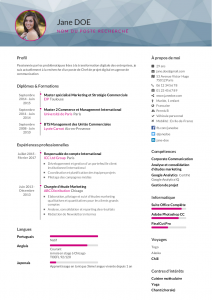
4. Optimise your CV for relevance and readability
Use a clear job title, concise personal profile, suitable keywords and evidence of achievements. Tailor your CV rather than sending exactly the same version everywhere. Check spelling, structure and that an ATS can process the text.
5. Prepare for interviews
Research the employer, practise explaining your background and prepare examples of challenges you overcame. Think of questions about the role, expectations and team. A well-prepared conversation helps you build on the impression created by your CV.
6. Accept rejection and keep learning
Not every application will lead to an interview, even when you are qualified. Seek constructive feedback where possible, review patterns and adjust your approach. Separate the outcome of a single recruitment process from your overall professional potential.
Track your applications and set manageable weekly goals. A focused, sustainable search is more valuable than endlessly sending identical applications.